
 50521 State Road 13, Middlebury, IN, 46540, US,

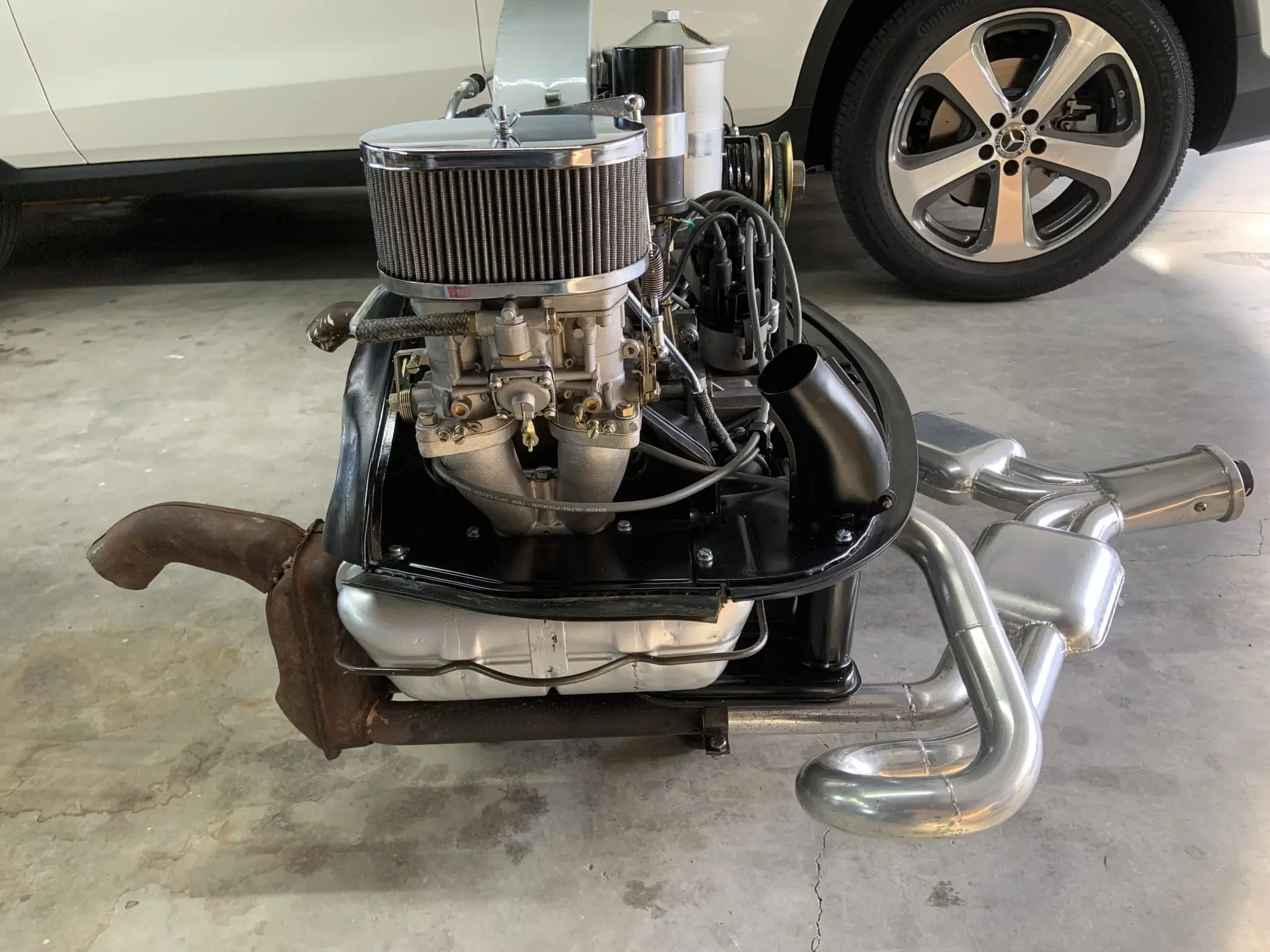


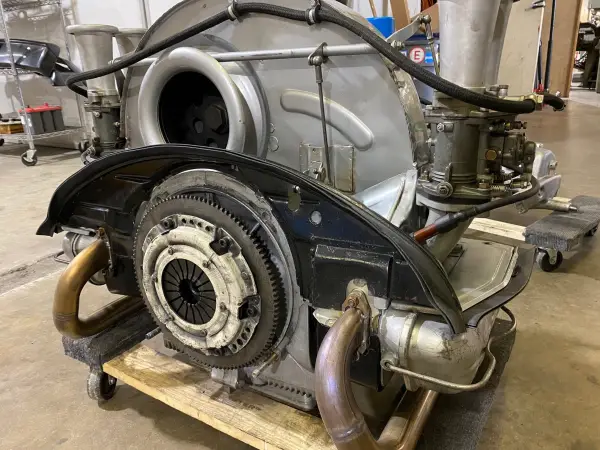
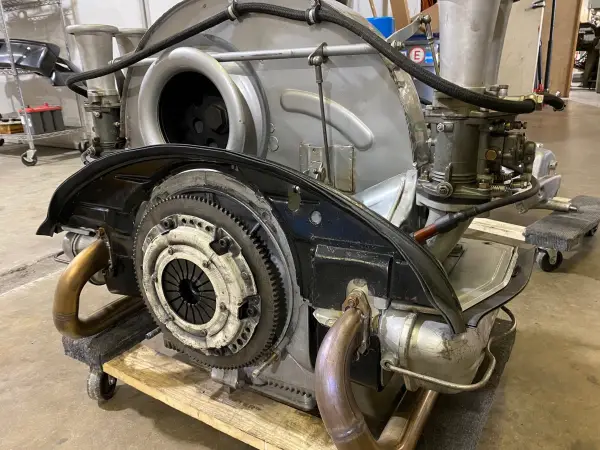

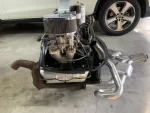

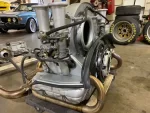
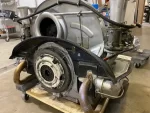


Reutter coachwork on a 1958 Porsche 356A T2 1600 Speedster chassis number 84471
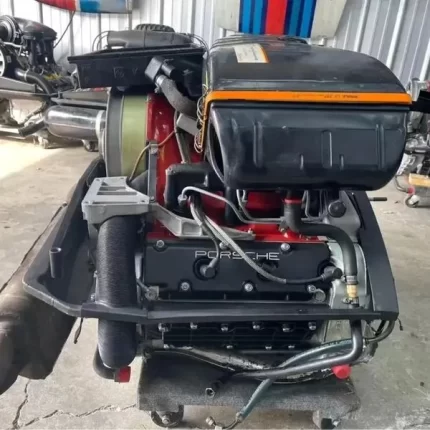
Engine number 4093545 (text visible)
95 horsepower @ 5,800 rpm is estimated from a 1,720cc OHV flat 4-cylinder engine with two twin-choke Zenith carburetors.
4-Wheel Independent Suspension, 4-Speed Manual Transmission
Hydraulic Drum Brakes on Four Wheels
* Precious in the renowned collector’s current ownership for over 34 years* Flat-Four Engine Porsche participated in several global rallies, such as the Nippon Rally in Japan.Comes with a comprehensive history file that includes Porsche COA* and restoration data.The ideal ‘Driver’s Speedster,’ with a bit more power for use in rallies and tours
THE 356 SPEEDSTER Porsche
Ferdinand Porsche didn’t get his name on a car until 1949, despite starting his automobile design consultancy in the early 1930s. When it did, the Porsche 356—one of the greatest sports cars ever—was adorned with it. The 356’s engine witnessed constant evolution, including an increase in displacement from 1.3 to 1.6 liters, the adoption of a Porsche synchromesh gearbox, and the replacement of the split windscreen with a single piece. The first 356 Coupe was quickly followed by a Cabriolet, and in 1952, US importer Max Hoffman ordered the construction of a trial batch of 15 Roadsters after convincing Porsche that an entry-level model with lower costs may be viable.
The Speedster type was first introduced in 1954 as a result of the Roadsters’ positive response in the United States. Another person who is credited with inspiring the Speedster is John von Neumann, the West Coast dealer for Porsche, who in the late 1940s had a Gmünd-built Coupe disassembled in order to make a lightweight competition car. “Guys want to go, on a Saturday night in June, down Sunset Boulevard with their elbow over the door so the girls can see them in the car,” Neumann once stated, elucidating the appeal of such an automobile. Plus ça change
With its low, wraparound windscreen (instead of a V-shaped one), smaller, fully retractable hood, lower door waistline, horizontal trim strip at the level of the door handles, and twin bucket seats—all of which served to emphasize its sporting image—the Speedster was immediately recognizable. However, it was really a “economy” model designed to rival the less expensive British sports cars.





Reviews
There are no reviews yet.